AI Data Centers — The Bottleneck Isn't Chips, It's Power and Construction (2026 Supercycle)
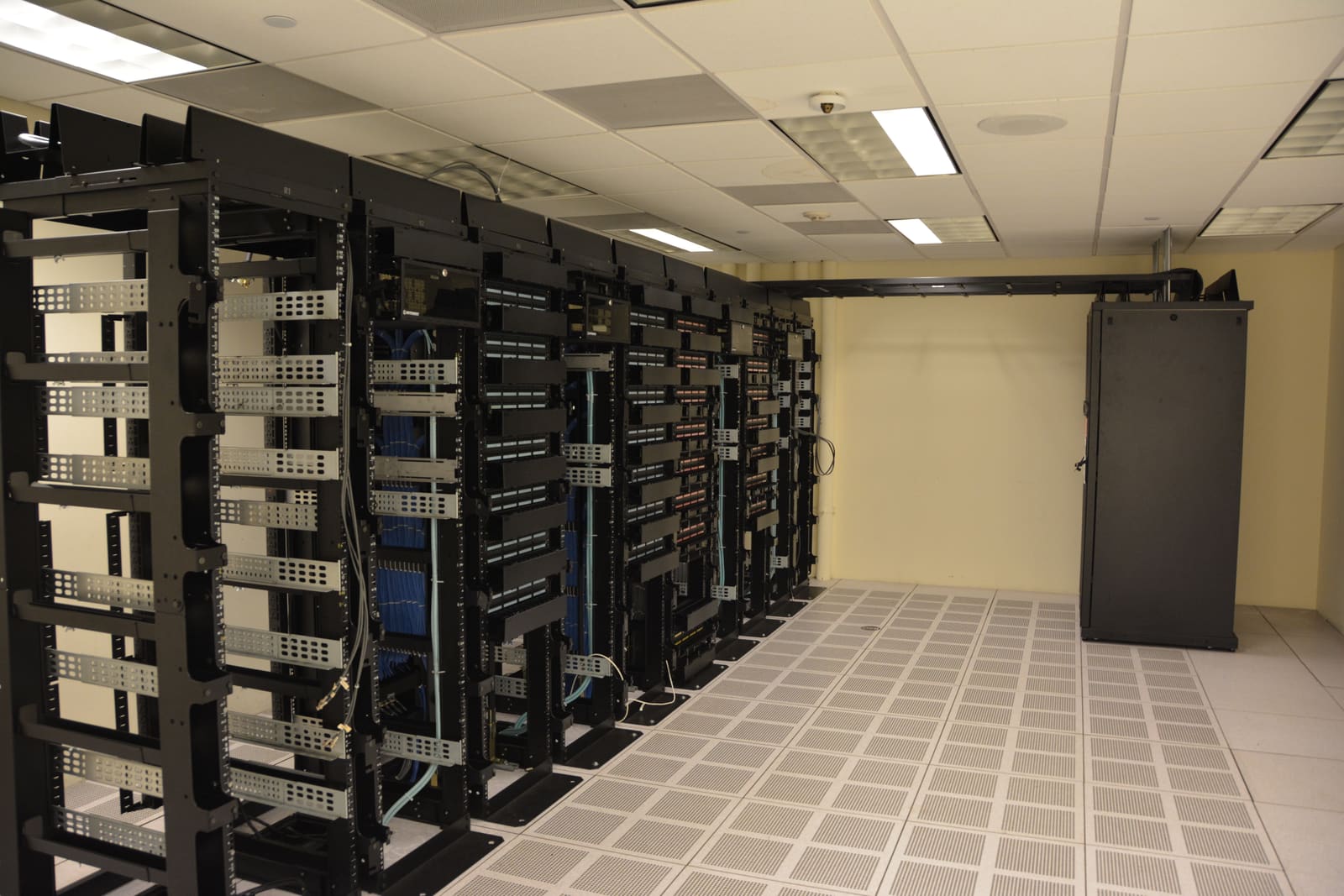
1. Capital Has Moved From Models to Infrastructure
Combined 2026 capital spending by Google, Amazon, Microsoft and Meta is estimated at roughly $725 billion — a 77% jump from about $410 billion in 2025 (2024 was around $226 billion). Most of the increase goes to data centers, GPUs and power facilities. The front line of the AI race has shifted from training models to building infrastructure.
| Company | 2026 capex (guidance / estimate) |
|---|---|
| Amazon | ~$200B (2025: ~$125B) |
| Microsoft | ~$190B |
| Alphabet (Google) | ~$185–190B |
| Meta | $125–145B |
| Total | ~$725B (+77% YoY) |
The announced pipeline has swelled just as fast. Globally, announced hyperscale capacity reaches about 190GW across 777 projects. Yet only about 12GW is operational; roughly 21GW is under construction, and the remaining ~148GW is still in planning. Announcements are surging while barely 6% is actually built — the gap between announcement and commissioning is the essence of this market.
2. The Bottleneck Is Power, Equipment and Construction — Not Chips
AI training infrastructure carries far higher power density and cooling load than ordinary IT. Per-rack power has climbed from 30–40kW to hundreds of kW and on to the MW range, fundamentally changing how data centers are designed, built and powered. The first thing to hit a wall was electrical equipment — transformers, breakers and switchgear.
The bottleneck isn't chips — it's power and construction. The ability to bring in electricity, build the site, and install equipment on time becomes the competitive edge.
As of 2025, standard power transformers carry lead times of about 128 weeks (2.5 years), and large high-voltage units stretch to up to four years (~208 weeks). Transformer and switchgear procurement is now the earliest "go/no-go" question in data center development, because data center load growth, grid upgrades, renewable interconnection and industrial electrification all compete for the same equipment. Site, grid connection, equipment and build sequencing — not capital — now decide the schedule.
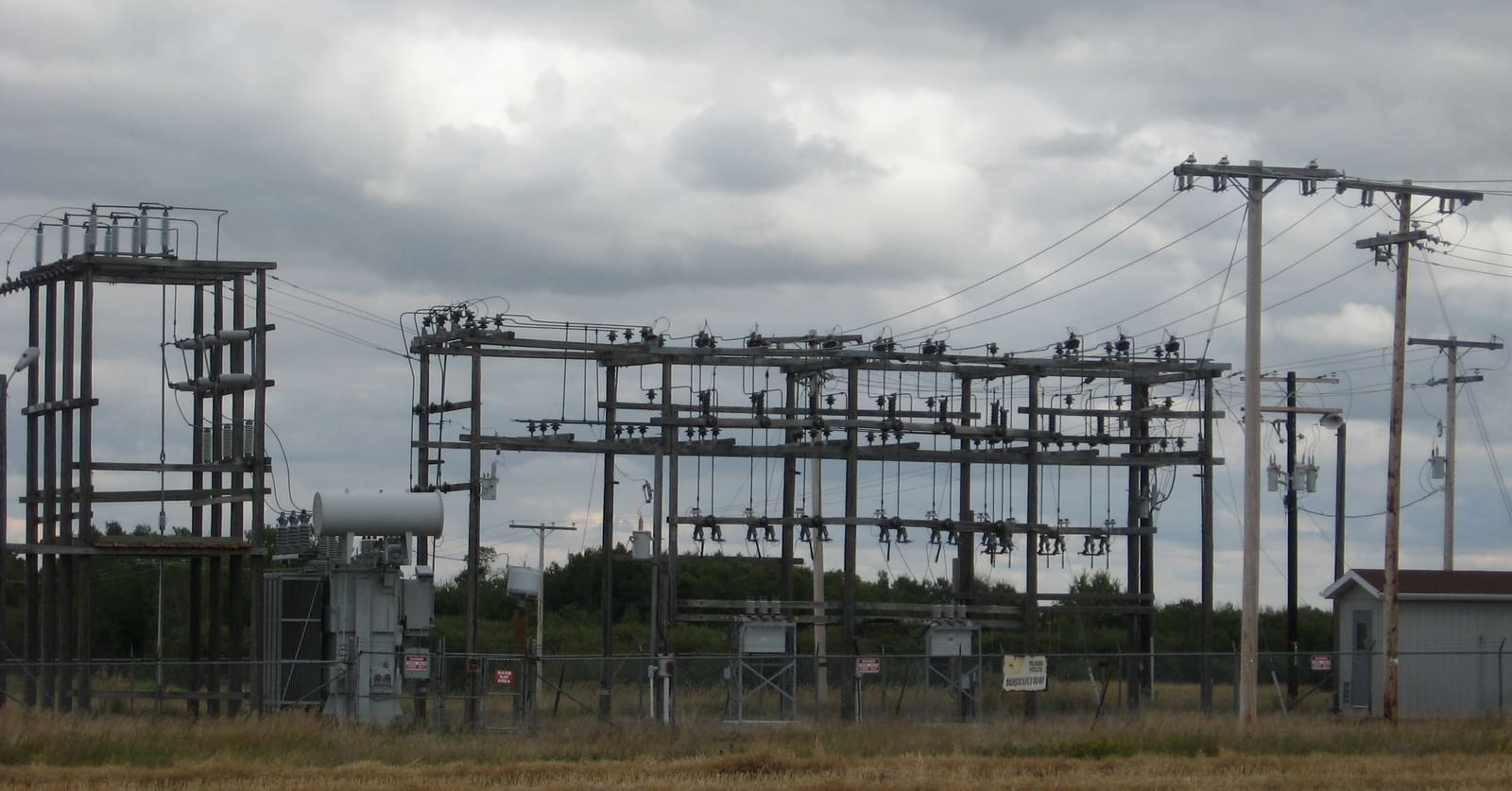
3. Korea — The Same Bottleneck, More Compressed
Korea's data center construction market is projected to grow from $6.03 billion in 2025 to $14.63 billion in 2031, a 15.9% CAGR. At the national level, large-scale AI infrastructure investment through 2027 is underway to rapidly expand data center capacity and GPUs.
The standout project is a planned 3GW-class data center in Jeonnam. An investment MoU with Jeollanam-do was signed in 2025, with total project value cited at around $35 billion — the largest single campus in the world. Yet as of 2026 it has not reached full-scale construction — for the very reasons described in Section 2. In Korea, capital-region grid saturation, transmission interconnection delays and local permitting compound these constraints, so the same limits appear more compressed across a smaller territory. Even after a site is secured, when power can actually be delivered is what decides a project's real timeline.
| Project | Scale | Notes |
|---|---|---|
| Jeonnam AI Data Center | up to 3GW | World's largest by campus · MoU 2025 · ~2028 target (advancing) |
| NAVER × NVIDIA | Phased expansion, GW-class goal | Sovereign AI (national data & model autonomy) |
| SK Telecom × NVIDIA | Gigawatt-class AI cloud | Phased commissioning planned |
| National AI computing centers, etc. | GW-class combined | Public / regional-government led |
4. So What Should Builders and Owners Check?
A data center is not a single building but an EPC project integrating site, power (intake and substation), cooling, communications and structure. What decides the schedule is power procurement and build sequencing, not compute. When a transformer takes four years, the ability to bind design, equipment and schedule data together and see the bottleneck early becomes the competitive edge for winning and completing work. Any organization entering this cycle should at minimum check the following.
- Power timeline — Are power-intake applications, grid interconnection and substation permitting on the project's critical path?
- Long-lead equipment — Are transformers, breakers, switchgear and chillers ordered at the design stage rather than at construction start?
- Schedule & cost visibility — Are progress and cost across multiple packages and subcontractors unified into one dataset, so delays are flagged before the fact rather than after?
- Change management — Can the full cost-and-schedule impact of a single power or structural design change be calculated instantly?
DT Solution integrates design, procurement, schedule and cost data on a PMIS built on Oracle Primavera Unifier, P6 and Aconex, making the bottlenecks of large EPC projects — long-lead equipment and many concurrent packages — visible in advance. If you need integrated schedule and cost management for data center and power-infrastructure construction, talk to us.
· CNBC — Big Tech AI spending approaches $700B+ in 2026
· Bessemer Venture Partners — Roadmap: The AI Data Center Stack (190GW)
· Build.inc — Data Center Transformer Procurement in 2026
· pv magazine USA — Transformer lead times extend to four years
· Computer Weekly — South Korea world's largest AI datacentre (3GW)
· Mordor Intelligence — Korea Data Center Construction Market
Photo: Trekphiler (CC BY 3.0) / Wikimedia Commons